 English
 中文简体
 Español
 русский
 Deutsch
 عربى



Young beauty shoppers want color, play, and shareable moments, while parents and retail buyers want age-appropriate makeup that is easy to understand. The challenge is not to shrink an adult vanity. It is to build a product experience that excites children, gives adults confidence, and remains practical to manufacture at an accessible price.
What Should an Age-Appropriate Kids Makeup Kit Actually Do?
Build a First-Use Routine, Not a Mini Vanity
A strong kit gives a first-time user a short journey: choose a color, apply one effect, and finish with a playful detail. This makes kids makeup approachable for beginners and easier for parents to explain. Product roles should be obvious, supported by soft tools and a clear instruction card. Avoid a complicated adult sequence, correction language, or too many pieces that are difficult to clean and store.
Make Color Visible on Camera and Forgiving in Real Life
Color is the kit's first communication tool. Macaron pastels and clean bright accents can read clearly in a short video while staying light enough for everyday play. Wider pans, clear labels, rounded tools, and forgiving placement help an imperfect first attempt look cheerful. That gives parents a reason to see children's makeup kits as guided creative products rather than miniature adult rituals.
Let the Storage Bag Extend the Story
A themed storage bag can connect the kit to travel, birthday play, festivals, or a friend-to-friend getting-ready moment. Compartments, a zipper, and a handle support daily use without creating a bulky case. The bag can also become a content asset: an unboxing sequence, color challenge, or look card gives retailers material that is easy to reproduce in product pages and short video.

How Can Safety Become a Visible Product Experience?
Turn Compliance Into Buyer-Ready Proof
Safety is strongest when it can be checked instead of appearing as a vague promise. Define the age range, use scene, claim boundaries, label information, test scope, and batch records before package design is finalized. Our quality system supports usability, accessory-fit, label-adhesion, opening-force, drop, and finished-good checks. We also maintain batch traceability and can provide internal or third-party reports required by the final product and destination market.
Design for Easy Removal, Low Mess, and Repeat Play
A child-friendly safety promise is also a daily-use promise. Easy removal, low residue, secure closures, soft tools, a firmly attached mirror, and a bag that separates the pieces make the product easier to supervise. These details shape whether a parent permits repeat play. In retail language, the result is simple: a kit that looks playful on shelf but behaves predictably at home.
Compare Safety Signals by Decision Stage
A practical review separates evidence for approving an idea from evidence for releasing a finished batch. This framework helps buyers ask the right question at the right time.
|
Decision stage |
Evidence to check |
Reader-facing value |
B2B action |
|
Concept |
Age range, use scene, product role |
Clear boundaries and a simple promise |
Lock the hero set before adding extras |
|
Sampling |
Usability, removal, accessory fit, label copy |
A kit that feels easy and reassuring |
Record pass/fail criteria and revisions |
|
Mass production |
FAI, IPQC, finished-good and transport checks |
Consistent color, closure and presentation |
Approve batch evidence before release |
|
Retail |
Claims, instructions, pack hierarchy and photos |
A product parents can understand quickly |
Adapt the message to each channel |
How Does an OEM Turn a Trend Into a Retail-Ready Line?
One Hero Set Creates a Clear Starting Point
A hero set gives a new brand one story to test, such as a pastel journey, festival sparkle, or portable activity. Once that experience is stable, a refill shade, accessory, sticker sheet, or travel version can extend the line. Shared visuals make later launches feel connected while keeping inventory and development choices easier to manage.
Match the Set to Channel, Price Point, and Season
The same idea may need different packaging by channel. E-commerce needs a strong thumbnail and quick explanation. Supermarkets need a hierarchy that reads from a few steps away. Gift programs favor an unboxing moment, while back-to-school placements benefit from compact storage and an everyday use case.
Before requesting a quote, buyers should align four commercial choices:
- The age band and the single play or beauty outcome the set promises.
- The target price and which pieces are essential versus optional.
- The channel, season, pack size, and expected replenishment rhythm.
- The evidence, label language, and packaging protection required for the destination market.
Connect Category, Design, Sampling, and Production
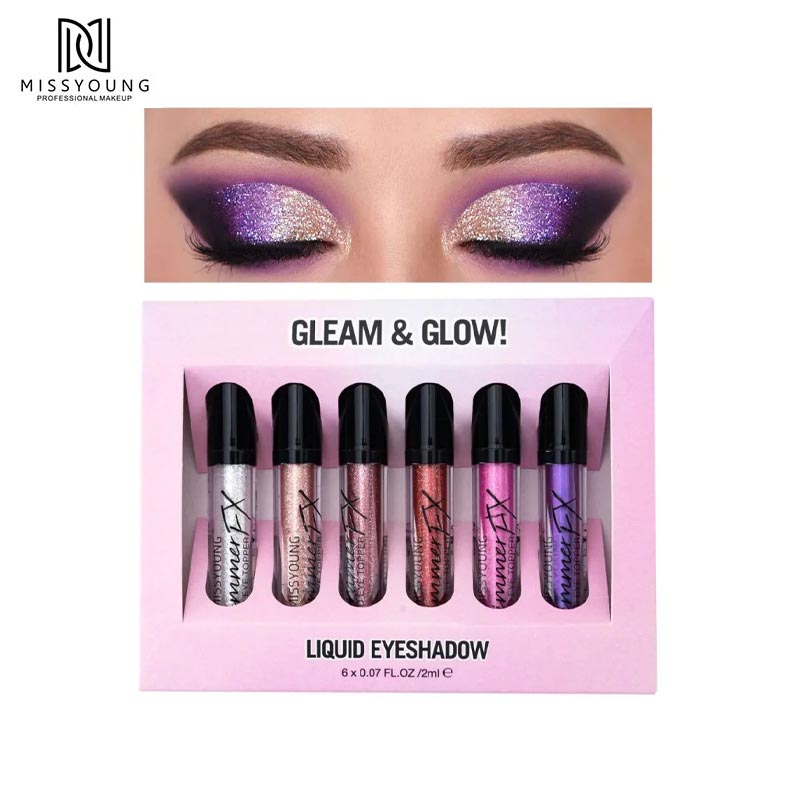
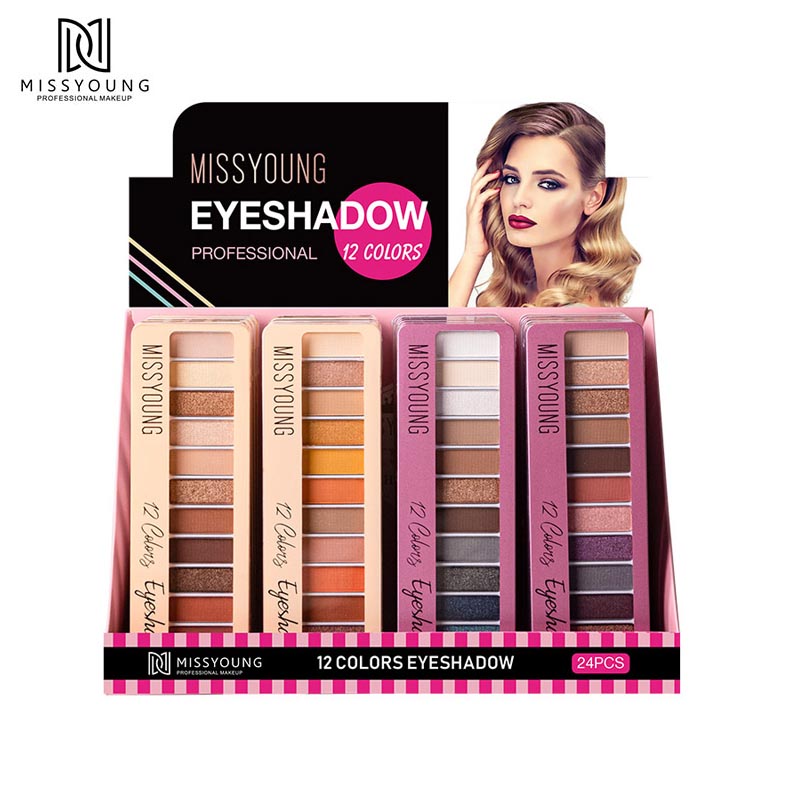
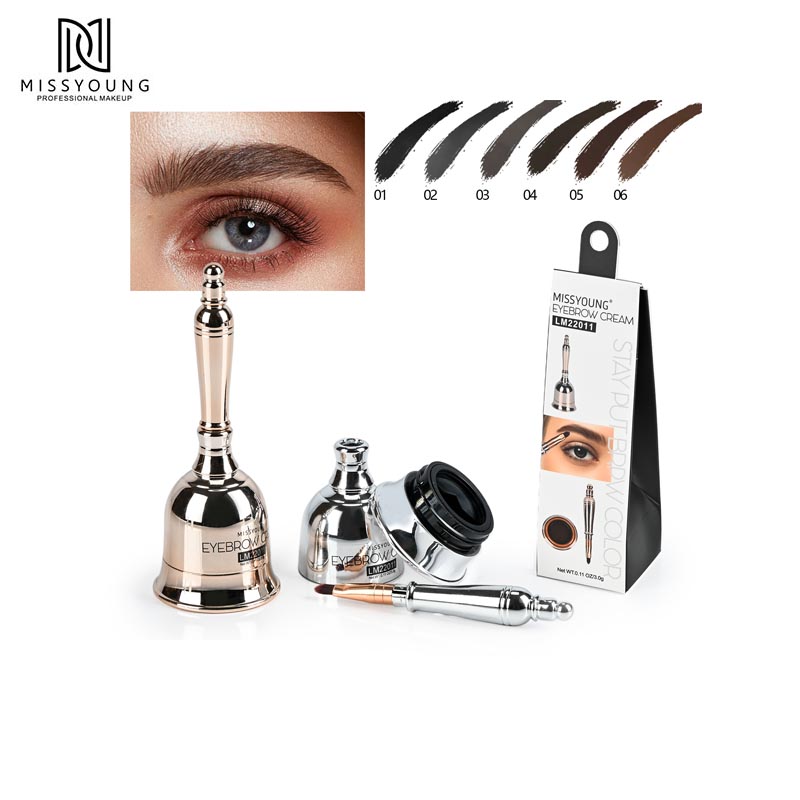
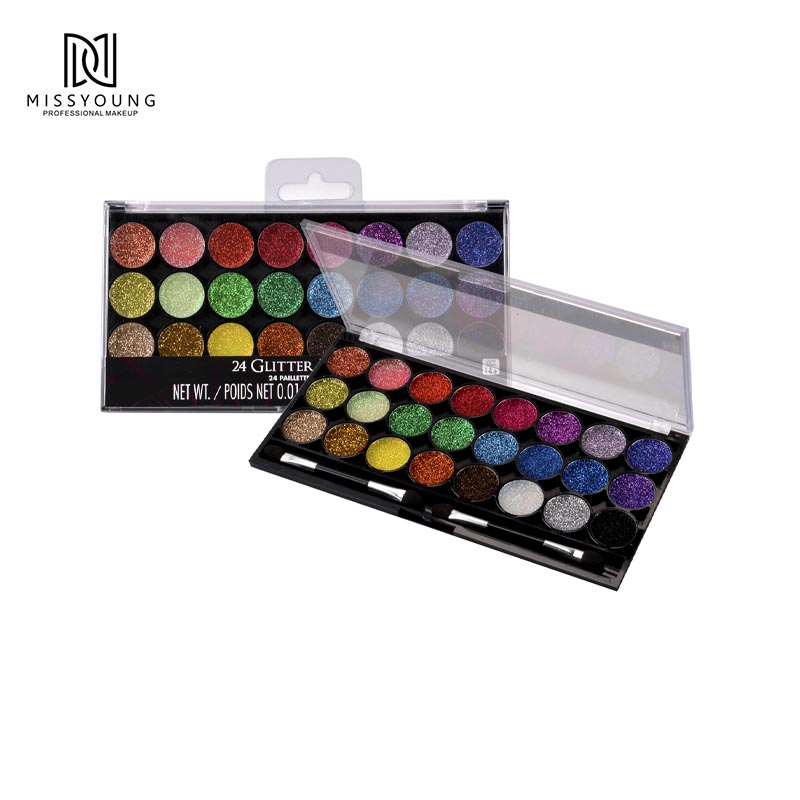
As a kids makeup OEM, we coordinate category planning, product effect, packaging storytelling, sampling, sourcing, production, testing, and delivery. Our design team supports product form and visuals, while our manufacturing system covers powder, wax-based, liquid, cream, and set production. MISSYOUNG is children’s and teenage makeup brand, offering professional OEM/ODM manufacturing capabilities to support product development and customization.

Conclusion: The Winning Kit Feels Fun, Responsible, and Buildable
The Product Decision to Make Now
The first decision is not how many shades fit in a box. It is which age group, scene, effect, safety proof, and price promise the kit must serve. For buyers comparing wholesale kids beauty options, the key question is whether the supplier connects creative direction to repeatable execution. A colorful idea becomes retail-ready only when its components, claims, pack protection, testing, and replenishment plan agree.
Where MISSYOUNG Fits
We help brands make that connection through category recommendations, design pairing, packaging development, sampling, compliance preparation, production, and delivery coordination. Founders, procurement teams, distributors, and retail buyers can share the age range, market, channel, price direction, and preferred effect with us. We can then shape the concept into a clear, testable, and manufacturable program.
FAQ
What Should a 2026 Gen Alpha Makeup Kit Include?
Use one recognizable color story, one or two simple face or eye effects, soft tools, and a portable storage bag. The assortment should be easy to explain, show in a short video, and tidy after use. Add-ons can follow after the hero set proves demand.
How Can Brands Make Kids Makeup Fun Without Copying Adult Beauty?
Use playful themes, color adventures, stickers, friendly characters, and everyday scenes instead of correction language or mature beauty ideals. Celebrate creativity and shared play. The result can be social-friendly, but instructions should stay simple, age-aware, and comfortable for parents to approve.
What Should Buyers Confirm Before Choosing a Kids Makeup OEM?
Confirm experience with children and teenage makeup, market documentation, sampling and revisions, packaging and transport tests, quality checkpoints, production timing, and after-sales ownership. Also confirm who coordinates category recommendations, design, compliance preparation, and manufacturing, so the project does not fragment across suppliers.

 +86-13735758618
 una@mchzp.com
 No. 299, Changfeng North Street, Jindong Economic Development Zone, Jinhua, Zhejiang, china
